6 Powerful Ways to Draw Closer to the Catholic Church
Written by catholicradioblog on July 1, 2026
Have you been listening to Catholic radio and feel something beckoning you to go deeper and learn more about the Catholic faith? The Holy Spirit is patient, gentle, and always provides enough light for your next step.
Perhaps you grew up in the Catholic Church and drifted away for a time. Or maybe you grew up in another denomination or with no religious teaching at all. Either way you may have questions about the Pope, Mary, Saints, the Eucharist, or the Mass.
Your questions matter. And it’s important for you to know that the beliefs and customs of the Catholic Church are not things made up over centuries.
1. See How Scripture and Tradition are Complementary in the Catholic Church
Some religious leaders teach their congregations that Catholics don’t read the Bible and instead follow the traditions of men. Not only do Catholics read the Bible, but daily and weekly Mass readings take Catholics through the Sacred Scripture in a repeated pattern.
Sacred Tradition refers to the living transmission of the faith and in fact preceded the Bible. For the first few hundred years after Jesus walked the earth
what He taught the apostles was passed to the next generations through the Holy Spirit and preserved in the Catholic Church.
This included the gospel the apostles were preaching, the baptism of new believers, and even celebrating the Eucharist as Jesus instructed in Luke 22:19, “Do this in memory of me.”
Transubstantiation refers to the bread and wine being transformed into the Body and Blood of Christ as He Himself declared in John 6:55. The Catholic Church takes Jesus at His Word—literally.
2. Note How the Catholic Church Recognizes the Pope as the Successor of St. Peter
Another way in which the Catholic Church takes Jesus’ words literally is in Matthew 16: 18-19. He declares Peter is the rock upon which He will build His Church. This foundation provides unbroken leadership through the generations for a visible shepherd to guard the flock.
Contrary to what some might believe, the Pope is not infallible in every word he speaks. His personality or opinions are like those of other men. He is only infallible when speaking on faith and morals under the guidance of the Holy Spirit.
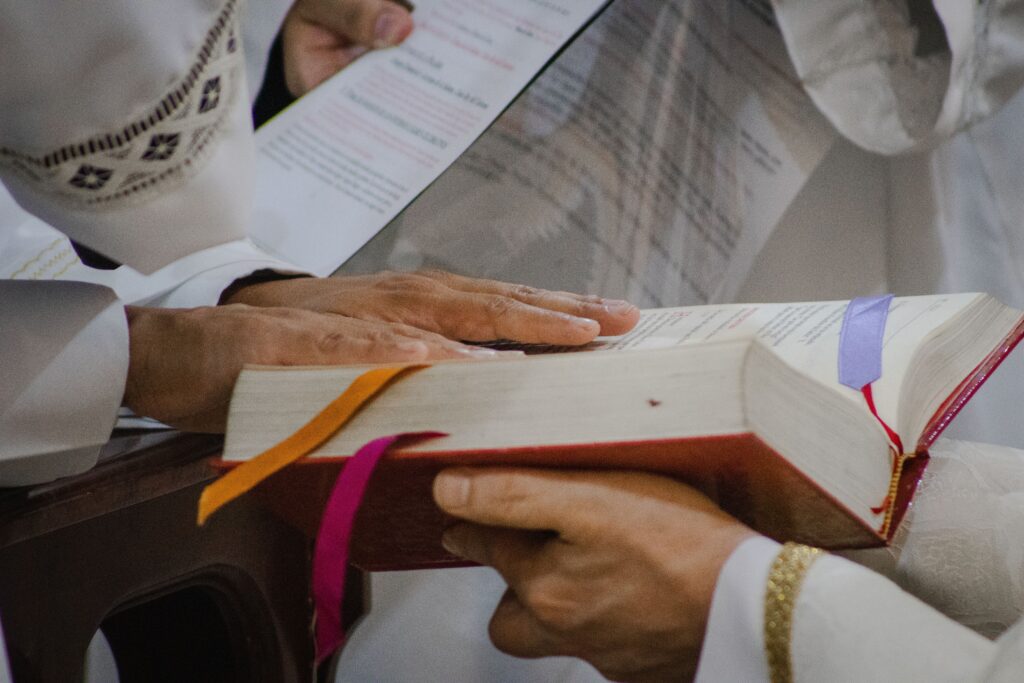
Priests in the Catholic Church are the only ones with legitimate authority to ordain new priests and elevate priests to the office of bishop. There is an unbroken line of the laying on of hands from bishop to priest going back to Jesus and the apostles. This is the meaning of apostolic succession.
3. Study How The Catechism of the Catholic Church Gathers Together What the Church Believes
Despite what some non-Catholics think, the Catechism is not a second Bible, and it does not replace Sacred Scripture. Rather, it is a compilation of what the Catholic Church believes about:
- God
- Salvation
- Prayer
- Morality
- The Sacraments
The Catechism is helpful for those learning and relearning what the Catholic Church teaches. There are many formats of the Catechism. Here are a few examples:
- The Catechism of the Catholic Church in book format
You will find that when you read and study the Catechism, it explains the Faith clearly, and shows how Catholic teaching is rooted in both Sacred Scripture and Sacred Tradition.
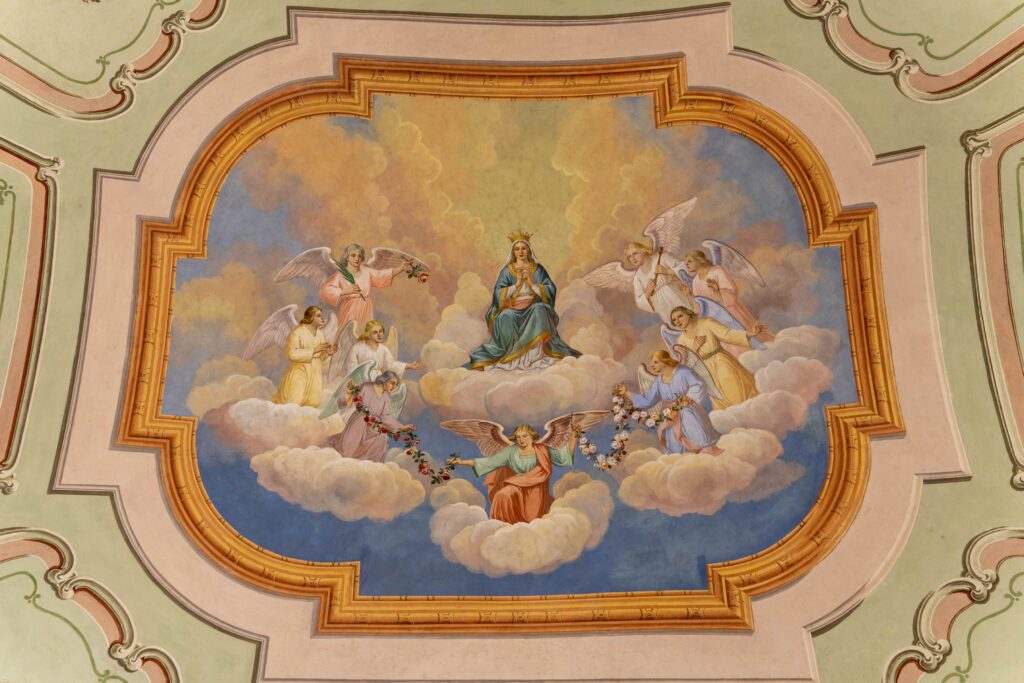
4. Recognize Mary, the Angels, and the Saints in the Catholic Church
There are a few points to be made in correcting misperceptions about what the Catholic Church teaches regarding Mary, the Angels, and the Saints.
- Catholics do not worship Mary, but they do honor her. Why? Because Scripture describes how she is honored at the Annunciation. Also, when Elizabeth is filled with the Holy Spirit, she calls Mary, “blessed among women”. The Magnificat recited by Mary is also a fulfillment of the promises of the Old Testament.
- The Catholic Church teaches about angels because that is what Sacred Scripture teaches. They are beings created by God that preceded the creation of man. They have roles and serve God (except for fallen angels who chose not to serve and are cast away from Him for eternity). When babies or adults die, they do not become angels. You have a guardian angel.
- Also contrary to what some may think, the Catholic Church does not “make” Saints. Everyone is called to be a saint. Those who die in the friendship of God and demonstrated heroic virtue are canonized as Saints. This is a long process that seeks to ascertain as much as possible that a soul is with God.
Catholics recognize the communion of saints. Saints are not worshipped like Christ or even honored to the same degree as Mary. They are heroes of the faith who intercede for us before God just like you might ask a friend for prayer.
5. Understand that Sacraments in the Catholic Church Bring Souls to Christ through Initiation, Healing, and Vocation
When the Holy Spirit is active in one’s life, there is a longing to be more closely in union with God through the sacraments. The sacraments are not rote rituals or symbolic in nature, they are vehicles of true encounters with the Living God: Father, Son, and Holy Spirit.
Baptism, Eucharist, and Confirmation are the sacraments of initiation. Reconciliation and Healing of the Sick (formerly called Extreme Unction) are sacraments of healing. Holy Orders and Marriage are vocational sacraments.
Sacraments draw souls deeper into the Mystery of Faith, something that cannot be fully grasped during our earthly lives but nonetheless rooted in Sacred Scripture and Sacred Tradition.
6. Pray the Most Important Prayer of the Catholic Church: the Mass
The Mass is not another sacrifice: Jesus died once and for all. It is a non-bloody representation of Christ’s sacrifice on Calvary and Catholics celebrate the Mass because Jesus told us to in Scripture. Catholics hear the Word in the first part of Mass and consume Jesus (as He instructed) in the second half of the Mass.
Catholics do not eat bread and digest it. Rather, after the bread is miraculously transformed into His body, hidden in the appearance of bread, through transubstantiation, Catholics become what they consume. They become more Christ-like, equipped to carry their crosses and follow Him.
Learn More About the Catholic Faith on Catholic Radio
You don’t have to have every question answered to return to the Catholic Church (or go for the first time)! Listening to Catholic radio can open the eyes of your heart and soften any hard-heartedness so you can see Jesus.
Our programs are rooted in Sacred Scripture, Sacred Tradition, and the Catechism. You can listen online to one of our five livestreams, find your local station, or download our free app for Apple and Android.